
Why Winter Is the Best Time to Own an Outdoor Sauna
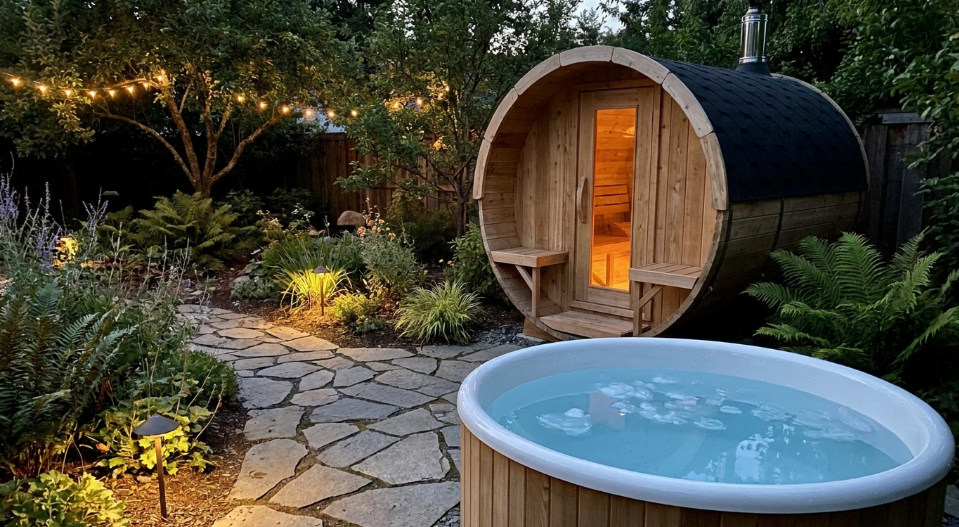
Winter is when an outdoor sauna earns its keep: a 15 to 20 minute session at 170 to 190 degrees Fahrenheit warms the body far faster than any indoor heating system, turns a short walk through snow into part of the ritual, and costs only $5 to $15 more a month to run than the same routine in summer. Where a sauna sits idle for stretches of a mild fall, cold weather gives it a clear daily purpose, and regular users report the contrast between the heat inside and the cold outside is part of what makes winter sessions feel different from the rest of the year.
What makes a winter sauna session feel different
The temperature swing between a 180-degree cabin and a 20-degree yard is the whole appeal. Stepping out into snow or cold air after a session produces a sharp, immediate shift that a summer sauna simply cannot replicate, since outdoor temperatures in warmer months are already close to comfortable. Many long-time owners say winter is when they use the sauna most consistently, both because the cold outside makes the heat feel more rewarding and because a warm space to sit in during a dark, short-daylight month has its own pull that a July evening does not.
Does snow and cold hurt the equipment?
A properly built cabin, insulated walls, a tight door seal, and a heater sized for the cubic footage, handles winter without issue. Barrel-shaped saunas shed snow on their own thanks to the curved roof, which reduces the load a flat-roofed structure would otherwise need to bear after a heavy storm. The heater itself works harder in extreme cold, since it is fighting a bigger gap between outdoor and target temperature, but a unit sized correctly for its interior volume should still reach full heat within 30 to 45 minutes even on single-digit nights. The main winter failure point is a worn or poorly fitted door seal, which lets heat escape and forces the heater to run longer than it should.
Pairing a winter sauna with cold exposure
Rolling in snow or taking a brief cold shower after a hot session is a long-standing part of Finnish sauna culture, and plenty of owners in colder US climates adopt the same habit. The exposure should be short, under a minute is typical, and it is not something people with heart conditions should do without medical guidance first, since the sudden vasoconstriction places real demand on the cardiovascular system. For healthy adults without contraindications, the contrast is generally well tolerated and is one of the more talked-about parts of a winter sauna routine, though the physiological benefit of the cold portion specifically is still debated among researchers and should not be oversold.
What the research says about heat exposure in cold climates
A review in Mayo Clinic Proceedings on the cardiovascular and general health associations of sauna bathing notes that regular use is linked with better blood pressure control and favorable markers over time, particularly in populations that use a sauna multiple times weekly year-round, which includes winter. A physiology-focused review on the effects of heat and cold exposure on the body found that the body’s response to sauna heat, increased heart rate, dilated blood vessels, sweating, is consistent regardless of the outdoor season, meaning the physiological benefit of a session does not diminish just because it is January instead of July. A separate 2023 review looking at sauna bathing alongside other lifestyle factors reinforces that consistency across the year, not season, is what correlates with the reported associations. Harvard Health’s overview of sauna research reaches a similar summary: the evidence points to association, not proof of causation, and should be read that way rather than as a guaranteed health outcome.
What a winter-ready cabin needs before the first snow
Check door seals and weatherstripping before temperatures drop, since a loose seal costs far more heat in December than in September. Clear and salt or sand the path to the sauna door so ice does not become a hazard on the walk over, and if the setup includes an outdoor shower or plunge tub, insulate or drain exposed lines to avoid a freeze crack. Cabin models sized for a family, the kind SweatDecks saunas lists among its winter-ready lineup, typically run $3,500 to $6,000 installed and are worth comparing on insulation rating and door seal quality specifically, not just price, before a first winter.
Dressing for the walk between house and sauna
The short walk from the back door to the sauna is the coldest part of a winter session, and getting the layering right makes the whole routine easier to stick with. A robe over minimal clothing, thick wool socks, and slide-on sandals or boots that go on fast without laces cuts that walk down to a manageable 20 or 30 seconds even in single-digit weather. Some owners keep a second robe hanging right by the sauna door specifically for the walk back, since the first one is usually damp with sweat by the end of a session and cold, wet fabric against skin in freezing air is worse than no robe at all.
Making winter sauna use a habit, not a novelty
The households that get the most out of a winter sauna tend to set a fixed time, right after work, or Sunday evening, rather than waiting for motivation on a cold night. Laying out towels and robes near the back door removes the last bit of friction that keeps people inside on the coldest evenings, and that small habit is usually the difference between a sauna that gets used three times a week all winter and one that sits cold by February.
Frequently Asked Questions
Does cold weather make a sauna less efficient?
A well-insulated cabin still reaches full temperature in 30 to 45 minutes even at freezing outdoor temperatures, though it may draw slightly more power to hold heat on the coldest nights. Barrel shapes shed snow well and hold heat efficiently due to their curved profile.
Is it safe to go from a hot sauna into snow?
Many regular users do a brief cold exposure, a roll in snow or a short cold shower, after a sauna session. It should be brief and is not advisable for anyone with heart conditions without medical guidance first.
Do saunas need special winterizing?
Keep the path to the door clear of ice, insulate exposed water lines if the unit has a shower or plunge nearby, and check door seals before the cold sets in, since a worn seal loses far more heat in winter than in summer.
How much more does it cost to run a sauna in winter?
Expect a modest increase over summer running costs, often an extra $5 to $15 a month for an electric unit used several times a week, depending on outdoor temperature and insulation quality.
References
- Cardiovascular and Other Health Benefits of Sauna Bathing: A Review of the Evidence, Mayo Clinic Proceedings, 2018
- Effects of heat and cold on health, with special reference to Finnish sauna bathing, American Journal of Physiology, 2018
- Does the Combination of Finnish Sauna Bathing and Other Lifestyle Factors Confer Additional Health Benefits? A Review of the Evidence, Mayo Clinic Proceedings, 2023
- Saunas and your health, Harvard Health Publishing
