4K vs 8K Technology Explained
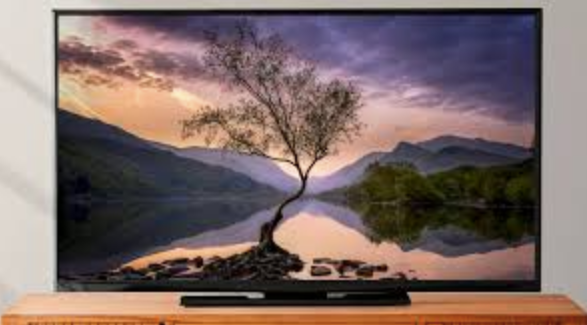
The comparison between 4K and 8K is not a simple win for more pixels. In practice, gains hinge on optics, viewing distance, and content. Upscaling and processing often determine perceived sharpness more than native resolution. Real-world benefits shrink as screen size or distance reduce discernible detail. Budgets, room constraints, and source quality matter as much as the technology itself. The question remains: where do the numbers truly add value?
What 4K vs 8K Really Means for Your Eyes
The question of what 4K versus 8K delivers to the viewer’s eyes hinges on perceptible resolution gains and practical limits. Assessments show only modest 8K perceptual difference at typical viewing distances; pixel density rarely translates to meaningful comfort, yet 4k eye strain can appear when motion and UI clutter overwhelm. Results remain constrained by optics, content, and display size.
Content That Benefits Most From 8K Detail
Critics note diminishing returns and occasional artifacts, yet deliberate capture risks persist.
rare artifact and motion sampling emerge as concerns, underscoring that beyond a threshold, higher resolution cannot guarantee perceptible value or freedom from distortion.
How Upscaling and Source Quality Change the Picture
Upscaling and source quality determine how raw input translates into perceived sharpness, color accuracy, and artifact behavior once a 4K or 8K signal is displayed.
The analysis remains skeptical: upscaling limitations constrain detail recovery and edge fidelity, while source quality differences set a ceiling on visible resolution.
Perception varies with processing, panels, and content, challenging any universal superiority claim.
Practical Buyer’s Guide: Budget, Setup, and Use Cases
Considering budget, setup, and use case nuances is essential for selecting between 4K and 8K, since price, room constraints, and viewing habits drive practical value more than nominal resolution alone. A measured buyer weighs budget tradeoffs against room layout and ambient light, while recognizing diminishing returns. Setup considerations include input sources, calibration, and future-proofing, favoring deliberate, skeptical choices over hype-driven purchases.
Frequently Asked Questions
Is 8K Actually Worth the Extra Cost Over 4K?
8K offers limited cost vs benefit advantages today; for most, the premium outweighs practical gains. The industry adoption remains uneven, with few true 8K sources. Skeptically, the freedom-seeking audience should weigh real-world usefulness over hype.
How Does Viewing Distance Affect 8K Perceived Sharpness?
Viewing distance sharply limits discernible texture; as distance grows, perceived sharpness declines regardless of resolution, so higher pixel density yields diminishing returns. Anecdote: a distant mural appears coarse, yet closer inspection reveals fine brushwork, not extra pixels. Skeptical, concise.
See also: freeprintablepage
Do Streaming Services Support True 8K Content?
Yes, streaming services rarely offer true 8K; they pursue practical compromises. The analysis notes streaming licensing hurdles and codec efficiency limits, with skepticism about scalable delivery, while audiences seeking freedom must weigh bandwidth, cost, and availability.
Can 8K Enhance Gaming Beyond 4K at 60FPS?
8K can technically enhance gaming beyond 4K at 60fps, but practical benefits are limited by hardware, bandwidth, and optimization. Skeptically, 8K streaming remains niche; differences often rely on 8K upscaling vs native rendering justification.
Will Future Standards Make 8K Obsolete Quickly?
Future standards may render 8K obsolete slowly, but not immediately; progress is incremental. The analysis notes ultra color, hdr brightness benefits persist, yet adoption hinges on content and bandwidth, leaving enthusiasts skeptical about rapid obsolescence and restricted freedom.
Conclusion
In sum, the leap to 8K delivers limited, situational benefits that hinge on optics, content, and source quality. The article notes diminishing returns beyond 4K for typical setups, with upscaling and processing often shaping the perceived sharpness more than raw pixels. Still, when budget, room, and calibration align, the upgrade can matter—but skeptics should demand concrete demonstrations and beware hype. The picture, not the promise, remains the real arbiter of value.